


Register by 30th October: What Principals Need to Know About the KNDFF Workshop
A call to senior school principals and principals of comprehensive schools
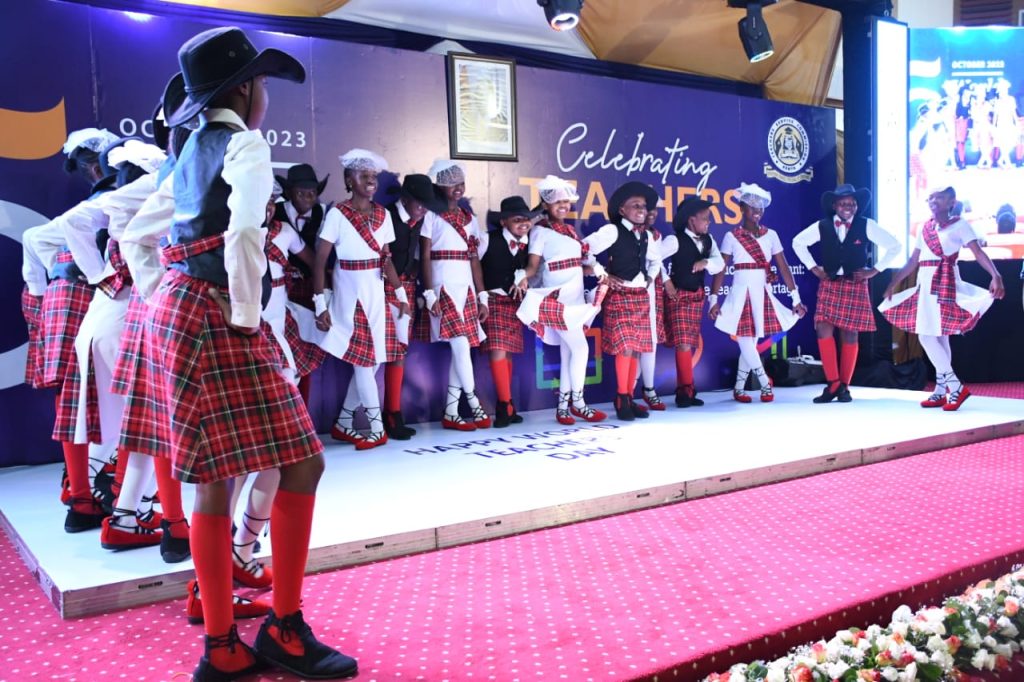
Every year, thousands of learners across Kenya step onto a stage, under stage lights or in front of a camera, and discover what they are capable of.
Behind each confident performance, each moving verse and each well-crafted film stands a teacher who guided the process.
The Kenya National Drama and Film Festival (KNDFF), operating under the auspices of the Ministry of Education’s State Department for Basic Education, has now extended a formal invitation to those teachers, and to the principals who support them, to attend the 2026 KNDFF Trainers’ Workshop.
The Basics: When and Where
The workshop will take place at Kisumu Girls High School in Kisumu County from 21st to 25th November 2026.
Participants are expected to report on 20th November 2026, the day before proceedings begin, and to depart on 26th November 2026.
The additional days allow for arrival, settling in and travel home without cutting into the training schedule.
The invitation, issued under reference KNDFF/SEP.VOL.3(10) and dated 21st September 2026, was signed by Executive Secretary Janeth Langat.
It is addressed to participants through their principals, which underlines a simple point: no teacher can attend without the knowledge and blessing of school leadership.
Who Is Invited
The workshop is deliberately broad. Participants may come from pre-primary, primary, junior school and secondary or senior school levels, as well as teacher training colleges, technical and vocational education and training institutions, and universities.
This reflects how drama and film now run as a continuous thread through the education system, from the earliest classroom to the lecture hall.
For principals of senior schools and comprehensive schools, this means the invitation is directly relevant to their drama and film patrons and to any teacher who coaches learners for festival competitions.
The Cost and What It Covers
The Technical Committee of the festival has resolved that each participant will pay a participation fee of KSh 6,000. This covers four items:
- Tea and snacks during the workshop
- Lunch
- Workshop badges and certificates
- Facilitation expenses for the workshop facilitators
Accommodation is not included. Participants must arrange and pay for their own lodging in Kisumu. Principals may wish to factor this into planning early, since the workshop runs for several days and Kisumu can be busy in the late-year season. Early booking will spare teachers avoidable stress and expense.
How Payment and Registration Work
Teachers do not send money directly to the national office. Regional and County Coordinators are responsible for collecting participation fees within their regions and counties.
They then deposit the funds as guided by the KNDFF Secretariat and submit the list of registered and paid-up participants by 30th October 2026.
That deadline is the most important date in the letter. A teacher who has not paid through the proper channel by the time the coordinator compiles the list risks being left off it.
Principals can help by reminding staff of the deadline, confirming who from the school will attend, and ensuring that fees are settled with the coordinator in good time.
Anyone unsure about the process is advised to contact their County or Regional Coordinator, who is the first point of clarification.
Why Principals Should Take This Seriously
School leaders often weigh such invitations against tight budgets, crowded calendars and competing priorities. Yet there are strong reasons to support participation.
First, a well-trained drama and film patron raises the quality of a school’s entries. Festival success builds a school’s profile and gives learners exposure and confidence.
Second, the arts develop skills that matter well beyond the stage: communication, teamwork, creativity, discipline and critical thinking.
These are exactly the competencies that Kenya’s competency-based approach to education seeks to nurture.
Third, the certificates issued at the workshop give teachers formal recognition of their professional development, which benefits both the individual and the institution.
There is also the matter of learner welfare. Drama and film give young people a healthy outlet for expression and a sense of belonging.
Trained teachers are better equipped to guide learners in choosing themes responsibly, handling sensitive content with care and managing rehearsals and travel safely.
Practical Steps for School Leaders
Principals who wish to send a representative should consider the following:
- Identify the teacher or teachers who will attend, ideally those directly responsible for drama and film.
- Communicate with the County or Regional Coordinator early to confirm payment procedures.
- Ensure the KSh 6,000 fee is paid before the 30th October 2026 deadline.
- Help the teacher plan accommodation and transport so that they arrive on 20th November and leave on 26th November as required.
- Provide the necessary official permission and, where possible, support with the associated costs.
A Worthwhile Investment
The 2026 KNDFF Trainers’ Workshop is more than a five-day meeting. It is a chance for educators to refresh their methods, learn from experienced facilitators, network with colleagues from across the country and return to their schools ready to lead.
For principals, supporting that journey is an investment in learners, teachers and the reputation of the school.
Further information can be found at kenyadramafestivals.com, or by writing to kndff2026@gmail.com. The Secretariat can also be reached on +254 20 3318581.
With the deadline of 30th October approaching, now is the time to act. The stage is set; all that remains is for schools to send their trainers.