


KNUT Rejects “Unauthorized” TSC Plan to De-link Junior Schools from Primary Management
NAIROBI, Kenya — A fresh storm is brewing in the education sector after the Kenya National Union of Teachers (KNUT) accused the Teachers Service Commission (TSC) of attempting to “sneak in” unpopular proposals regarding the management of Junior Schools.
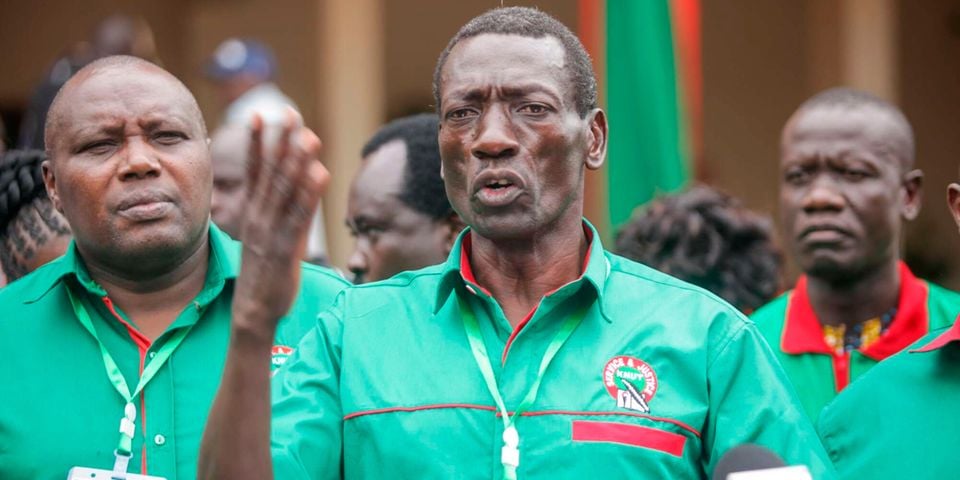
Speaking during an education conference in Naivasha, KNUT Secretary General Collins Oyuu vehemently rejected a TSC proposal that would make Junior Schools (Grades 7, 8, and 9) independent entities, calling the move unauthorized and a violation of established reform guidelines.
The Clash Over the Munavu Report
At the heart of the dispute is the Presidential Working Party on Education Reforms (PWPER) report, led by the late Prof. Raphael Munavu.
The report recommended the merging of primary and junior schools into a single unit known as a “Comprehensive School” under one head.
However, TSC Acting CEO Eveleen Mitei recently presented a different vision to the National Assembly Committee on Education.
The TSC proposal seeks to establish independent management for Junior Schools, effectively breaking them away from the joint leadership of primary schools.
“Autonomy has no place in the Presidential Working Party taskforce report,” Oyuu stated. “Do not introduce what is not in the recommendation of the report. Junior schools are domiciled in primary schools.”
The Proposed Structure: Autonomy vs. Integration
The TSC’s new structure would see Junior Schools operate as standalone institutions. This shift would have major implications for school leadership:
For Junior School Teachers: Independence is seen as a significant win. It would create thousands of new administrative vacancies—including Principals and Deputy Principals—specifically for the Junior School level, providing a clear path for promotion.
For Primary Headteachers: The move is a major blow. Under their renamed umbrella body, the Kenya Comprehensive School Heads Association (KECSHA), headteachers are pushing for the Munavu report’s adoption.
They currently manage Junior Schools on one-year renewable contracts and are lobbying to be formally confirmed as “Principals” of the entire Comprehensive School structure.
The Battle for Leadership
The tug-of-war highlights a deep-seated anxiety over who will control the middle level of the Competency-Based Curriculum (CBC).
KECSHA members argue that they have successfully managed the transition of Grades 7 and 8 over the past three years and deserve permanent appointments.
On the other hand, the TSC’s push for autonomy suggests the commission prefers a specialized leadership cadre for Grades 7 through 9, distinct from the primary school hierarchy.
What Happens Next?
The proposal now sits with the National Assembly Committee on Education. If Parliament sides with the TSC, it will trigger a massive administrative overhaul, requiring the recruitment and deployment of new heads for thousands of Junior Schools across the country.
However, if KNUT and KECSHA successfully lobby for the PWPER recommendations, the “Comprehensive School” model will stay, keeping primary and junior levels under a single administrative roof.
As the debate intensifies, stakeholders are looking to the Ministry of Education to provide a definitive legal framework that aligns with the President’s vision for a unified and cost-effective education system.
Do you think Junior Schools should have their own independent principals, or should they remain under the management of the primary school headteacher?